
What Is Supermaked? The Modern Supermarket Explained
Last updated: November 1, 2026
Thank you for reading this post, don't forget to subscribe!Table of Contents
- Quick Answer
- What Supermaked Actually Means
- A Short History: From Corner Shops to Supermarkets
- What Makes a Store “Supermaked”
- Inside the Modern Store: Layout and Departments
- Technology Changing the Weekly Shop
- Supermaked vs Traditional Supermarket
- How to Shop a Supermaked Like a Pro
- The Downsides Worth Knowing
- Frequently Asked Questions
Quick Answer
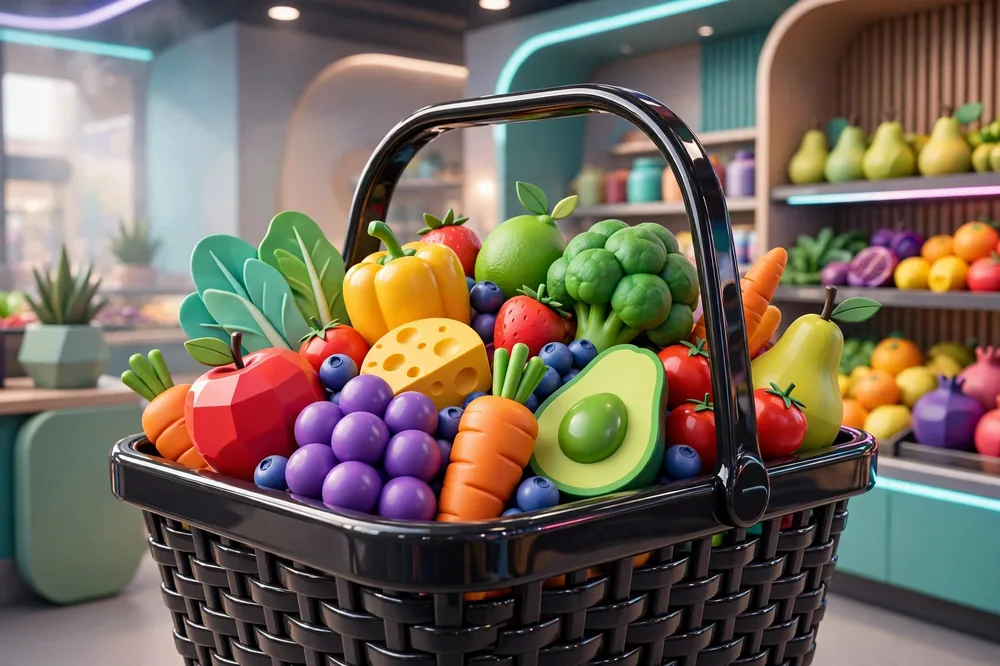
Supermaked is a coined online term for the modern, technology-enabled supermarket: a large self-service store that blends physical shopping with digital tools such as self-checkout, scan-and-go apps, click-and-collect ordering, and personalised offers. It is not a single shop, chain, or app, and you cannot “visit Supermaked” as a place. Think of it instead as shorthand for how grocery shopping has evolved — the same weekly shop, rebuilt around speed, choice, and convenience.
What Supermaked Actually Means
If you searched for “supermaked” and expected to find a company, you are not alone. The word looks like a brand name, and many web pages written about it describe it as if it were a platform or a service. In reality, there is no major retailer, app, or company of that name. The term is best understood as a playful twist on “supermarket” that writers use to describe the next stage of grocery retail.
That distinction matters. Once you know supermaked is a concept rather than a company, the articles about it make much more sense: they are really describing features that real supermarkets now offer. A supermaked-style store lets you order groceries on your phone and collect them from a locker, scan items as you walk the aisles, and pay without joining a queue. The word is new, but the shopping experience it describes is already familiar to millions of people.
It also helps to separate the idea from the hype. No single technology defines a supermaked store, and a shop does not need robots or cameras to qualify. What defines it is the combination: a wide range, sensible organisation, and digital tools that remove friction from an ordinary errand.
A Short History: From Corner Shops to Supermarkets
Before supermarkets existed, grocery shopping looked very different. Customers handed a list to a clerk, who fetched each item from behind a counter. Shoppers could not browse, compare prices, or change their minds halfway through — the store controlled the whole process.
The first big break came in 1916, when Clarence Saunders opened the first Piggly Wiggly store in Memphis, Tennessee. It was the first true self-service grocery store: customers walked the aisles themselves, picked items from open shelves, and paid at a checkout stand. Individual price marking and shopping baskets followed, and the model spread quickly because it cut costs and gave shoppers freedom.
The next leap came on August 4, 1930, when Michael J. Cullen opened King Kullen in Jamaica, Queens, New York. Historians and the Smithsonian Institution recognise it as America’s first true supermarket because it combined all five defining features: self-service, separate product departments, discount pricing, chain marketing, and volume selling. Large stores, low prices, and huge choice had arrived, and the modern supermarket era had begun.
From there, the format kept evolving. Refrigeration improved fresh-food departments, barcodes (introduced widely in the 1970s and 1980s) sped up checkout and stock control, loyalty cards brought personalised discounts, and online ordering finally untied the shop from the store itself. Supermaked is simply the latest chapter in that story: the supermarket, updated for shoppers who carry a supercomputer in their pocket.
What Makes a Store “Supermaked”
Not every big grocery store earns the label. A supermaked-style store typically combines most of the following features:
- One-stop range: fresh produce, meat, seafood, bakery, dairy, frozen food, pantry staples, drinks, and household goods in a single trip.
- Self-service throughout: open shelves, clear prices, and the freedom to browse without asking staff for every item.
- Fast checkout choices: staffed tills alongside self-checkout kiosks, and often scan-and-go or smart-cart options.
- Digital integration: an app or website for lists, offers, online ordering, and delivery or pickup slots.
- Personalisation: loyalty discounts, tailored coupons, and recommendations based on past shopping.
- Fresh-first departments: bakery, deli, and produce sections that feel more like a market than a warehouse.
- Flexible fulfilment: shop in store, collect a pre-packed order, or have groceries delivered to your door.
None of these features is revolutionary on its own. The difference is that they now work together, so a shopper can move between phone, store, and front door without starting over each time.
Inside the Modern Store: Layout and Departments
Walk into a well-designed modern supermarket and you are walking through a carefully planned route. Fresh departments — produce, bakery, meat, seafood, and dairy — usually run around the outer edge of the store, while dry groceries, canned goods, breakfast items, snacks, drinks, and cleaners fill the centre aisles. This is no accident: the perimeter holds the foods that need refrigeration and frequent restocking, and the loop encourages a full tour of the store.
Shelf placement follows its own logic too. Eye-level shelves hold the best-selling brands, while budget options often sit lower down. End-of-aisle displays promote seasonal items and special offers, and the checkout zone is stocked with small impulse buys. Knowing this layout is the first step to shopping faster, because you can plan your route instead of wandering.
The fresh sections deserve special attention in a supermaked store. Bakeries bake on site, delis slice to order, and produce departments now carry everything from everyday potatoes to exotic fruit and ready-to-cook meal kits. The same appetite for variety shows up in local food culture: shoppers who enjoy discovering new dishes often hunt down local speciality foods like pizza fugazza or explore ready-to-eat options such as empanada de atún when they want something beyond the standard weekly shop. A good supermarket mirrors that curiosity with a wider, fresher range.
International aisles are another hallmark of the modern store. Where older supermarkets stocked a single shelf of imported goods, many now dedicate whole sections to different cuisines, reflecting the neighbourhoods they serve.
Technology Changing the Weekly Shop
Technology is where the supermaked idea becomes visible. Self-checkout kiosks, common since the 1990s, are now standard in many stores, and industry surveys report that a majority of grocers offer them. Scan-and-go goes one step further: shoppers scan barcodes with a handheld device or their own phone as they shop, pack their own bags, and pay at a terminal or in the app.
Smart carts are the newest variation. Equipped with screens, cameras, barcode scanners, and scales, they total your shop as you go, so you can pay on the cart and skip the checkout lane entirely. Retailers including Kroger and Albertsons have tested such carts, and Instacart’s Caper Cart works on the same principle. Meanwhile, click-and-collect lets you order online and pick up a packed order at the store or from a locker, and some chains now offer AI-generated shopping lists that turn a meal idea into a full basket in seconds.
The most talked-about version is frictionless, or “just walk out,” shopping. Cameras and shelf sensors track what you take, and your card is charged automatically when you leave. It remains rare in full-size supermarkets, but it shows the direction of travel: the checkout itself may eventually disappear.
None of this means staffed checkouts are vanishing. Most stores keep a mix, because many shoppers still prefer a cashier, need help with age-restricted items, or simply do not want another app. The supermaked model is about choice, not forcing everyone through the same high-tech lane.
Supermaked vs Traditional Supermarket
It helps to compare the two side by side:
- Shopping: traditional stores are in-store only; supermaked stores add online ordering, pickup, and delivery.
- Checkout: traditional stores rely on staffed tills; supermaked stores add self-checkout, scan-and-go, and smart carts.
- Offers: traditional stores use paper coupons and weekly flyers; supermaked stores use app-based loyalty offers and personalised discounts.
- Range: traditional stores stock the familiar essentials; supermaked stores add wider fresh, international, and ready-meal ranges.
- Information: traditional stores show a shelf price; supermaked stores add stock levels, nutrition details, and product origins in the app.
- Pace: traditional shopping is a fixed errand; supermaked shopping can be a five-minute pickup or a leisurely browse, as you choose.
The underlying business is unchanged — selling food and household goods at a profit — but the experience around it has been rebuilt for shoppers who value their time.
How to Shop a Supermaked Like a Pro
A modern store rewards a little planning. These steps will save you time and money:
- Shop the perimeter first. Fresh food lives around the edge, so start there and finish with the centre aisles to keep chilled items cold for less time.
- Make your list in the store’s app. You will see live offers, aisle locations, and stock status before you leave home.
- Use scan-and-go for small shops. Scanning as you go removes the checkout queue and shows your running total, which helps you stay on budget.
- Check unit prices, not just shelf prices. Larger packs are not always cheaper per kilogram or litre, and the app usually shows the comparison.
- Try click-and-collect for busy weeks. Ordering online removes impulse buys and guarantees a pickup slot that fits your day.
- Explore one new section per visit. Whether it is the bakery, the world-foods aisle, or sweet bakery treats like pastelitos de guayaba, small discoveries keep the weekly shop interesting.
- Keep a backup for tech failures. If a kiosk freezes or the app crashes, a staffed till is still there — do not let a glitch ruin the trip.
Finally, remember that the store layout is designed to slow you down in profitable places. A list, a route, and a budget are still the best tools a shopper has, whatever the technology.
The Downsides Worth Knowing
The supermaked model is not all upside. Self-checkout shifts unpaid work onto shoppers, and it can frustrate anyone buying alcohol, loose produce, or a large family shop. Personalised offers depend on loyalty data, which raises fair questions about privacy and how much of your shopping history a retailer holds. Delivery and pickup slots can sell out at peak times, and online substitutions sometimes replace a chosen item with something you would never have picked.
There is also a community cost to consider. As large, tech-heavy stores grow, small independent grocers and market stalls can struggle to compete, and neighbourhoods can lose the personal service a corner shop provides. The smartest shoppers use both: the big store for the weekly shop, and local sellers for the things a supermarket cannot match — from a favourite bakery to traditional dishes like humita en chala made the local way. Convenience and character do not have to be enemies.
Frequently Asked Questions
Is Supermaked a real company?
No. There is no major retailer, website, or app called Supermaked. It is a coined term used online to describe the modern, technology-enabled supermarket.
Is supermaked just another word for supermarket?
Almost, but with an emphasis. A supermarket is the store format; “supermaked” describes that format upgraded with digital tools such as self-checkout, online ordering, and personalised offers.
Can I shop at a supermaked store?
Yes, in effect — every time you use self-checkout, scan-and-go, or click-and-collect at a modern supermarket, you are using the supermaked model. You just will not find a shop with that name above the door.
Will traditional supermarkets disappear?
Unlikely. The format keeps adapting — from self-service in 1916 to smart carts today — and most shoppers still want a mix of staffed tills, self-checkout, and local shops. Technology changes how we shop, but the weekly food shop itself is not going anywhere.
Faizi is a content writer at AllAboutFacts (hotteamnames.com), covering vocabulary, language tips, and everyday explainers.


